
Call: 07971459885
 Send Inquiry
 Send Inquiry
Doxofyllin 400mg Tablet
Price 1400.0 INR/ Container
MOQ : 10 Boxes
Doxofyllin 400mg Tablet Specification
- Packaging Type
- 10*10
- Brand Name
- Eutodox-400
- Drug Type
- General Medicines
- Ingredients
- Doxofylline is an active pharmaceutical ingredient (API) used as a bronchodilator for treating asthma and COPD. Its primary chemical ingredient is 7-(1,3-Dioxolan-2-ylmethyl)-1,3-dimethylxanthine ( ), which is a methylxanthine derivative. It is commonly formulated into tablets or syrup, often in 400mg
- Physical Form
- Tablets
- Suitable For
- Adults
- Quantity
- 10 Strip
Doxofyllin 400mg Tablet Trade Information
- Minimum Order Quantity
- 10 Boxes
- Payment Terms
- Paypal, Cash in Advance (CID)
- Supply Ability
- 100 Boxes Per Day
- Delivery Time
- 6 Days
- Main Export Market(s)
- Central America, Asia, Australia, North America
- Main Domestic Market
- All India
About Doxofyllin 400mg Tablet
Doxofylline 400 mg is an oral bronchodilator belonging to the methylxanthine drug class. It is primarily used for the long-term management and prevention of symptoms associated with chronic respiratory conditions. Core Medical Profile Primary Uses: Indicated for asthma, Chronic Obstructive Pulmonary Disease (COPD), and chronic bronchitis. It helps relieve chest tightness, wheezing, and shortness of breath. Mechanism of Action: It works by inhibiting the phosphodiesterase (PDE) enzyme, which increases levels of cyclic AMP (cAMP). This action relaxes the smooth muscles in the airways, allowing them to widen and improve airflow to the lungs. Differentiating Features: Unlike its predecessor, theophylline, doxofylline has a lower affinity for adenosine receptors, which leads to significantly fewer side effects on the heart and central nervous system. It typically does not require regular blood level monitoring. Usage and Dosage Standard Dose: For adults, the typical dose is 400 mg taken two or three times daily, as prescribed by a physician. Administration: Tablets should be swallowed whole with water and not crushed or chewed. While it can be taken with or without food, taking it after a meal (often in the evening) may help prevent stomach upset. Emergency Note: This is a maintenance medication and cannot be used for sudden asthma attacks. Always keep a fast-acting rescue inhaler for emergencies. Important Safety Information Common Side Effects: These are generally mild and include nausea, vomiting, headache, stomach pain, and insomnia. Serious Warnings: Although rare, it may cause fast or irregular heartbeats and seizures in cases of overdose. Dietary Restrictions: Patients should avoid caffeine (coffee, tea, dark chocolate) and alcohol, as these can increase the risk of side effects. Smoking may also reduce the drug's effectiveness. Contraindications: It is generally avoided in patients with acute myocardial infarction (heart attack), low blood pressure, or those who are breastfeeding.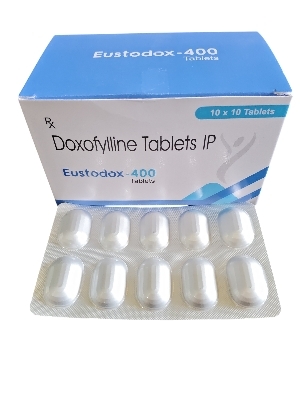
Tell us about your requirement

Price:
Quantity
Select Unit
- 50
- 100
- 200
- 250
- 500
- 1000+
Additional detail
Mobile number
Email

More Products in Pharmaceutical Tablets Category
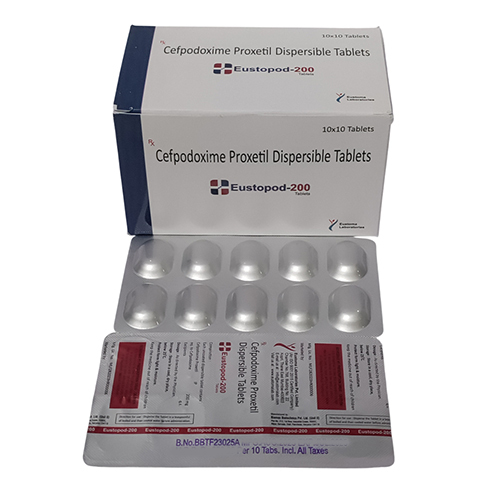
Cefpodoxime Proxetil Dispersible Tablets
Minimum Order Quantity : 100 Packs
Dosage Guidelines : As per suggestion
Origin of Medicine : India
Pacakaging (Quantity Per Box) : 10 x 10 tab
Suitable For : Suitable For All

650mg Paracetamol Tablets IP
Minimum Order Quantity : 100 Packs
Dosage Guidelines : As per suggestion
Origin of Medicine : India
Pacakaging (Quantity Per Box) : 10*10 Tablets
Suitable For : Suitable For All
Storage Instructions : Dry Place

Rifaximin Tablets
Minimum Order Quantity : 100 Packs
Dosage Guidelines : As per suggestion
Origin of Medicine : India
Pacakaging (Quantity Per Box) : 10*10 Tablets
Suitable For : Suitable For All
Storage Instructions : Dry Place
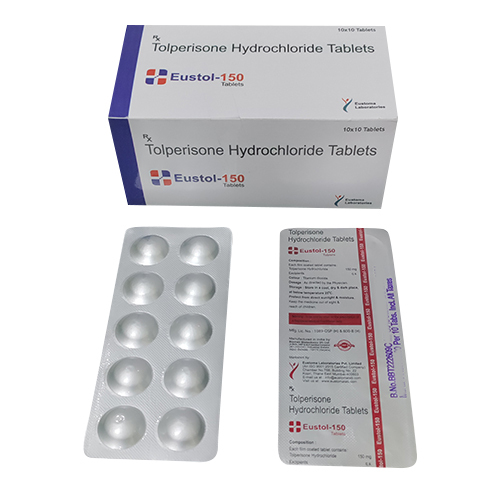
Tolperisone Hydrochloride Tablets
Minimum Order Quantity : 100 Packs
Dosage Guidelines : As Suggested
Origin of Medicine : India
Suitable For : Adults
Storage Instructions : Room Temperature

Contact Details
Eustoma Laboratories Pvt. Ltd.
GST : 23AAECE1114E1ZH
- F 51 & 52, Vardhaman City Plaza, Hamidia Road,Bhopal - 462001, Madhya Pradesh, India
- Phone :07971459885
 Send Inquiry
Developed and Managed by Infocom Network Private Limited.
